
- Home
- Vestibular (Balance) Testing:
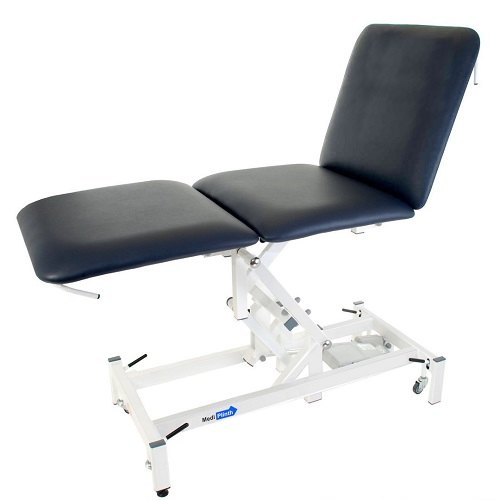
What We Do
Vestibular (Balance) Testing:
If you experience vertigo, dizziness, or unsteadiness, the cause often lies in your vestibular system—the balance organs in your inner ear. Our clinic offers comprehensive and timely diagnostic testing with a personal touch to help you find answers and get back on your feet.
Why is Vestibular Testing Important?
- Accurate Diagnosis: We use research-backed methods to objectively measure the function of your inner ear balance system, helping to give direction towards what may be the cause of your symptoms (e.g., BPPV, Meniere's disease, Vestibular Neuritis, or central issues).
- Targeted Treatment: Testing allows us to create a personalized treatment plan, such as repositioning maneuvers (like the Epley maneuver for BPPV) or at home exercises to improve balance and stability.
- Improve Quality of Life: By identifying and addressing the problem, we can help reduce your risk of falls, decrease your dizziness symptoms, and restore your confidence and independence in daily activities.
The Critical Role of the Vestibular System
- Vision: What you see.
- Somatosensory: Input from your joints and muscles (proprioception).
- Vestibular System (Inner Ear) : The specialized organs in your inner ear that sense head position and movement relative to gravity.
When the vestibular system—located in the inner ear—is damaged, malfunctioning, or sending confusing signals, it can lead to symptoms like vertigo (the sensation of spinning), lightheadedness, disequilibrium (unsteadiness), and a feeling of floating or tilting. Our testing focuses specifically on assessing the health and functionality of this crucial inner ear component.
The Dizziness Connection: What Happens When It Malfunctions?
- Vertigo: The sudden, terrifying sensation that you or the room is spinning or moving. This is often linked to Benign Paroxysmal Positional Vertigo (BPPV), where the "ear rocks" fall into the wrong canal.
- Unsteadiness: Feeling wobbly, off-balance, or like you're staggering, especially in the dark or on uneven ground.
- Lightheadedness: A vague, "woozy" feeling, sometimes signaling a vestibular problem or other medical issue.
- Blurred Vision with Head Movement (Gaze Instability): Trouble keeping your focus when you quickly turn your head, due to a problem with the reflex that keeps your vision steady.
Don't Ignore Your Balance Symptoms
- Increased Fall Risk: Balance problems are a leading cause of falls, especially in older adults, risking serious injury.
- Avoidance and Anxiety: Many people restrict their activities, avoiding driving, crowded stores, or even going for walks, which leads to isolation and reduced quality of life.
- Misdiagnosis: Symptoms can sometimes be mistakenly attributed to general anxiety or aging when a treatable physical issue exists in the inner ear.
Taking the Next Step to Stability
Request an Appointment
We will be happy to find a day and time for you to consult with one of our audiologists. Please call us immediately at 519-435-1899 if you are experiencing sudden hearing loss.